
Open source

Run a workshop anywhere

Everything we do at the table is free to reuse. Each activity below comes with a printable worksheet and a few facilitator tips, so a senior center, a classroom, a library, or a new chapter can run it without us in the room. Download, adapt, and tell us how it went.

01

Music and Drawing

Listen to music together and draw in response to it.

A hand drawing with colored pencils while listening to music

Play three or four short pieces from different decades and genres. Between each, everyone draws whatever the music brought to mind: a place, a person, a color, a feeling. The pages become a visual playlist to share at the end.

Facilitator tips

  • Time: 60 minutes. About 8 minutes of drawing per song, then 15 minutes to share.
  • Materials: Pastels or colored pencils, a speaker, one large sheet per person folded into quarters.
  • Ask participants for songs in advance. A senior's favorite from 1962 next to a student's favorite from this year makes the best conversation.
  • Conversation prompt: "Where were you the first time you heard this?"
02

Nostalgic Food

Draw or paint a food tied to a memory, then share the story.

A watercolor illustration of fruit and pastries on a table

Everyone picks one dish they can still taste from memory: a grandmother's soup, a school-lunch snack, a birthday cake. They paint it, then tell the table who made it and when. Recipes often get swapped.

Facilitator tips

  • Time: 75 minutes. 10 minutes of remembering and talking before anyone picks up a brush.
  • Materials: Watercolor sets, thick paper, cups of water, paper towels. Bring a small snack that matches the theme.
  • Pair generations. Seat one senior and one student together and have them describe their dish to each other first.
  • Conversation prompt: "Who taught you to make it, and do you still make it?"
03

Identity Collage

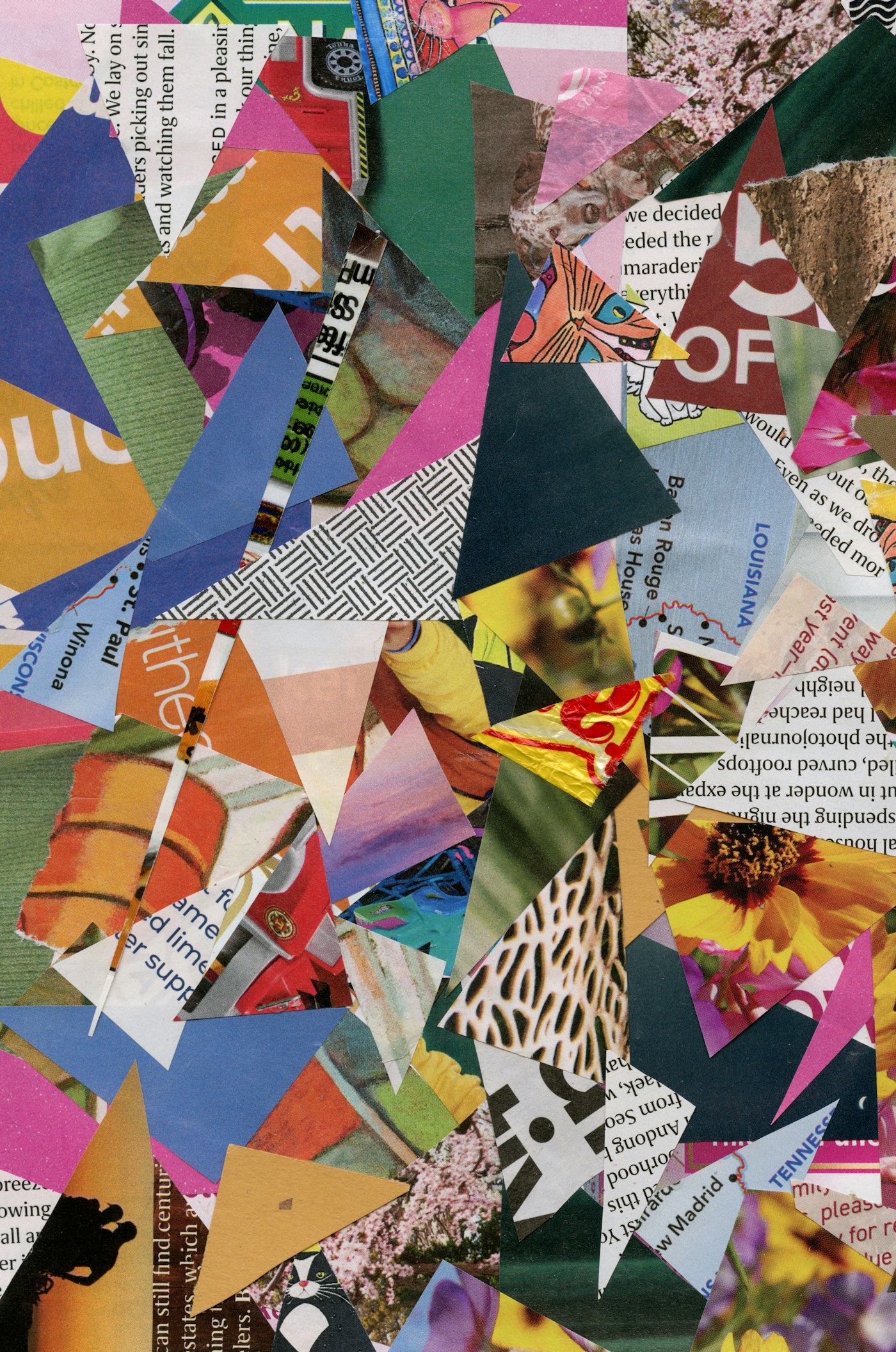
Build a collage that incorporates your own name.

Cut paper, magazine clippings, and scissors arranged for a collage

Participants write or cut out the letters of their name, then surround it with images, colors, and words that say something about who they are: places they've lived, things they love, people who shaped them.

Facilitator tips

  • Time: 60 to 75 minutes. Cutting takes longer than you expect; pre-cut a pile of images for anyone with limited dexterity.
  • Materials: Old magazines, colored paper, glue sticks, scissors, markers, one sturdy sheet per person.
  • Names carry stories. Ask about nicknames, name meanings, and who chose the name.
  • Conversation prompt: "Pick one thing on your collage that most people don't know about you."
04

The Imaginary Door

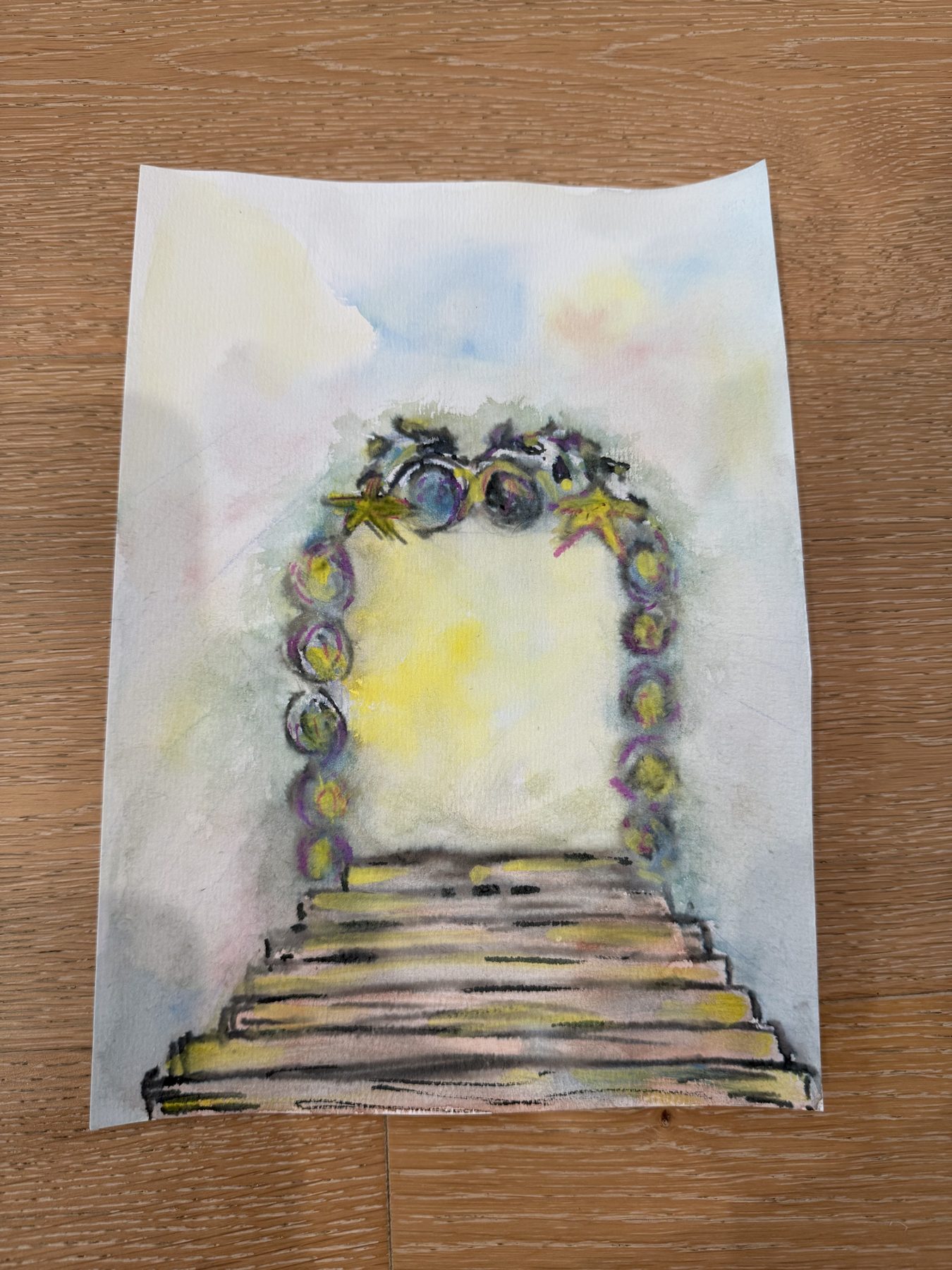
Draw a door that could lead anywhere. If it's open, show what's behind it.

A participant's watercolor of a stone archway opening onto yellow light

Paint or draw a door of your choice. A closed door is a mystery. An open door shows where it leads, realistically or imaginatively: a childhood home, a city never visited, somewhere that doesn't exist yet. This has been our most-loved workshop.

Facilitator tips

  • Time: 60 minutes. Give a full 30 minutes of quiet making; this one benefits from focus.
  • Materials: Watercolor or pastels, pencils for sketching first, paper at least 9 by 12 inches.
  • Offer a starting point. Some people freeze at "anywhere." Suggest a real door they remember and let imagination take over from there.
  • Conversation prompt: "Is your door open or closed, and why did you choose that?"
05

Tissue Paper Flowers

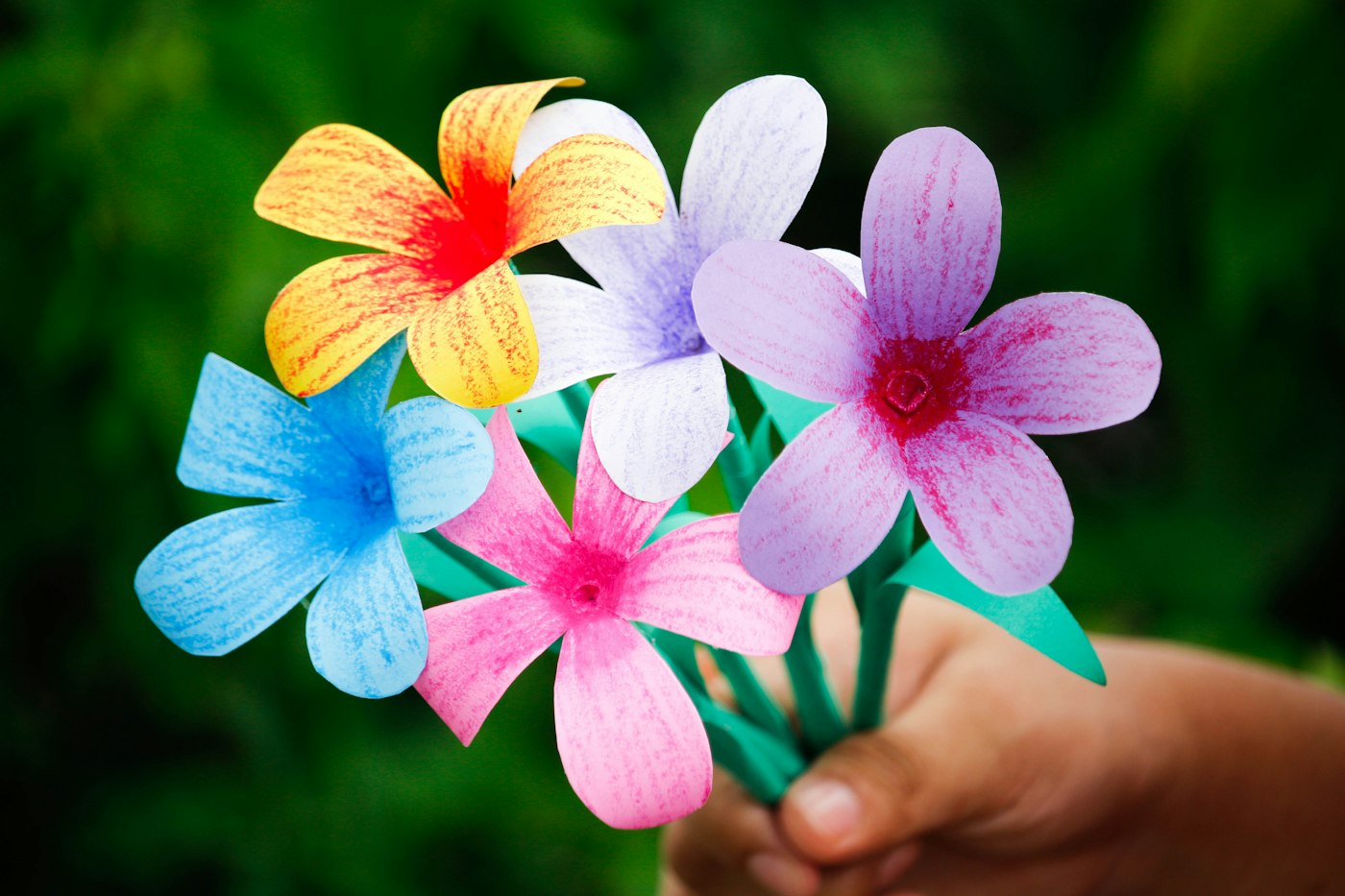
A hands-on paper craft that ends with a bouquet.

Brightly colored handmade tissue paper flowers

Layer, fold, and fan out tissue paper into flowers, then gather everyone's into one shared bouquet for the center. Simple enough for any skill level and good for hands that want something to do while talking.

Facilitator tips

  • Time: 45 to 60 minutes. Most people finish a flower in 10 minutes and want to make more.
  • Materials: Tissue paper in five or six colors, pipe cleaners or floral wire, scissors. Pre-cut squares save time.
  • Demonstrate once, slowly. Then let students circulate and help rather than re-explaining from the front.
  • Conversation prompt: "Who would you give this flower to?"

Running one of these?

Tell us how it went. Photos, what worked, what you changed. We fold what we learn back into the worksheets.

Tell us how it went